


The 2026 FIFA World Cup delivered the biggest spectacle in football history.
Hosted across the United States, Canada, and Mexico with a groundbreaking 48-team format, the tournament shattered records in attendance, goals, digital reach, and financial scale.

Spain claimed their second title with a dramatic 1-0 extra-time victory over Argentina in the final at MetLife Stadium, capping an unforgettable month of football.
Unprecedented Attendance and Fan Passion
Stadiums pulsed with energy throughout the expanded 104-match tournament.
Over 6.25 million fans packed venues, achieving a staggering 99.7% occupancy rate and an average attendance of around 65,200 per match.
This easily eclipsed the previous record set by the 1994 USA World Cup.
Iconic venues like Mexico City Stadium drew massive crowds, with single-match highs nearing 80,824.
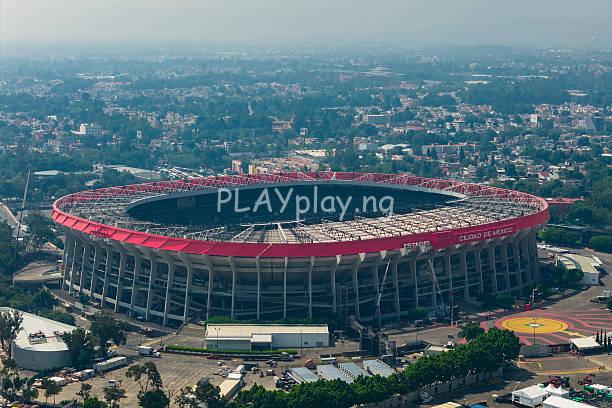
The atmosphere was electric, fueled by passionate supporters from across the globe.
FIFA Fan Festivals added millions more, creating a truly continental celebration of the beautiful game.
These 2026 FIFA World Cup attendance figures highlight football’s enduring global appeal despite challenges like ticket pricing.
Goal-Filled Action and Standout Player Stats

The 48-team expansion delivered more high-stakes matches and thrilling moments.
A total of 280 goals were scored across the tournament (averaging ~2.92 per game), showcasing attacking brilliance.
Kylian Mbappé dominated as Golden Boot winner with 10 goals, while Lionel Messi pushed his all-time World Cup scoring record higher.
Spain’s Rodri earned the Golden Ball as the tournament’s best player, with standout performances from Ferran Torres (final hero) and others like Erling Haaland and Jude Bellingham.

Over 1,248 players from 48 nations participated, with more than 1,000 seeing action.
Teams averaged nearly 5 substitutions per match, keeping the pace intense.
Defensively, Spain stood out, conceding just one goal en route to glory.
These 2026 World Cup player stats and team statistics underscored the depth of talent, with surprise runs and record-breaking individual feats keeping fans glued to every match.
Financial Powerhouse: Billions in Revenue and Prize Money
The 2026 FIFA World Cup proved a commercial juggernaut.
FIFA’s 2023-2026 cycle targeted massive revenues, driven by broadcasting rights, sponsorships, tickets, and hospitality.

Projections exceeded $6-11 billion in direct tournament-related income, with broader economic impacts in the tens of billions across host nations through tourism, jobs, and infrastructure.
A record $655-871 million prize pool was distributed to the 48 participating teams.
Spain took home approximately $51 million as champions, while runners-up Argentina earned $34 million.
England and France rounded out the top four with strong payouts.
Every team received guaranteed funds, with group-stage exits securing at least $9-10 million plus preparation support.
Ticket sales, hospitality, and merchandising added hundreds of millions more.
The tournament’s scale—161,000 km of fiber optics and massive data transport—ensured seamless global delivery, boosting digital audiences into the billions.
Lasting Legacy of the 2026 FIFA World Cup

From record World Cup 2026 attendance and explosive player and team stats to transformative financial success, this edition redefined the tournament.
It not only crowned Spain champions but showcased football’s power to unite, entertain, and drive economies on an unprecedented scale.
As the dust settles on this historic event, the numbers tell the story: the 2026 FIFA World Cup was more than a competition—it was a global phenomenon that set new benchmarks for years to come.
Whether you’re a stats enthusiast, football fan, or business analyst, the legacy of North America’s first multi-nation World Cup will resonate far beyond the final whistle.
The post Record-Breaking 2026 FIFA World Cup: Epic Stats, Massive Crowds, and Billion-Dollar Impact appeared first on Latest Sports News In Nigeria.